Best Auckland Suburbs for New Build Investment in 2026
When investing in a new build, location remains one of the most important factors to consider. While property markets move in cycles, suburbs supported by infrastructure investment, housing demand, and liveability tend to show greater resilience over time.
This information is general in nature and should be considered alongside professional advice tailored to your individual circumstances.
What’s Driving Auckland’s Key New Build Growth Areas?
In 2026, Auckland’s new build demand is being driven by long-term fundamentals rather than short-term hype. Growth is strongest in suburbs that balance affordability, accessibility, and modern housing supply.
Key drivers shaping these areas include:
-
Intensification zoning enabling more townhouse and terrace developments
-
Transport and infrastructure upgrades improving connectivity to employment hubs
-
Rising demand for low-maintenance, modern homes
-
Greater affordability compared to established suburbs
-
Consistent population and rental demand
These factors continue to support sustainable growth across Auckland’s leading new build locations.
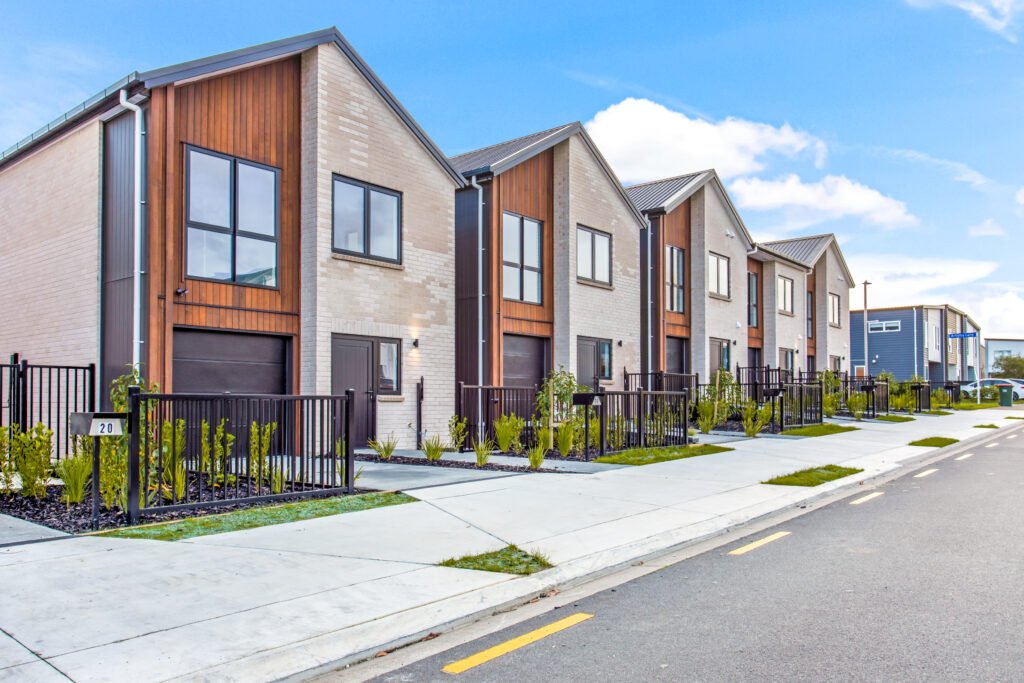
Central Auckland:
Central Auckland suburbs are often characterised by limited land supply, strong owner-occupier demand, and long-term appeal, rather than high rental yields.
Onehunga
Onehunga is an established inner-city suburb experiencing ongoing public-realm and infrastructure improvements.
Why investors consider Onehunga:
Proximity to the CBD, airport, and key transport routes
Ongoing regeneration and amenity upgrades
Strong owner-occupier demand
Limited availability of new build homes
Typically suits: investors prioritising location quality and long-term demand.
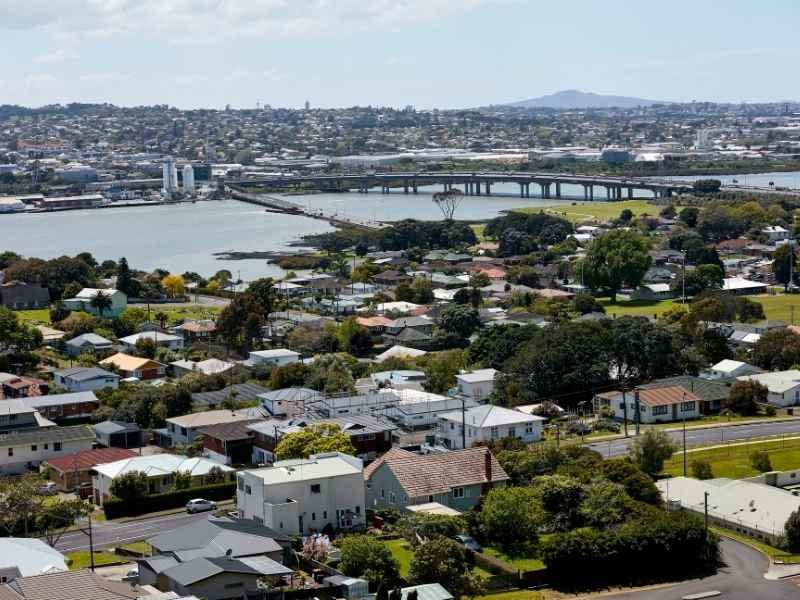
Mount Roskill
Mount Roskill sits close to the city and continues to see housing intensification in parts of the suburb.
Why investors consider Mount Roskill:
Proximity to employment hubs and transport corridors
Demand for modern townhouses and medium-density housing
Ongoing redevelopment is improving housing quality
More accessible entry points compared to some central suburbs
Typically suits: investors seeking urban locations with regeneration potential.
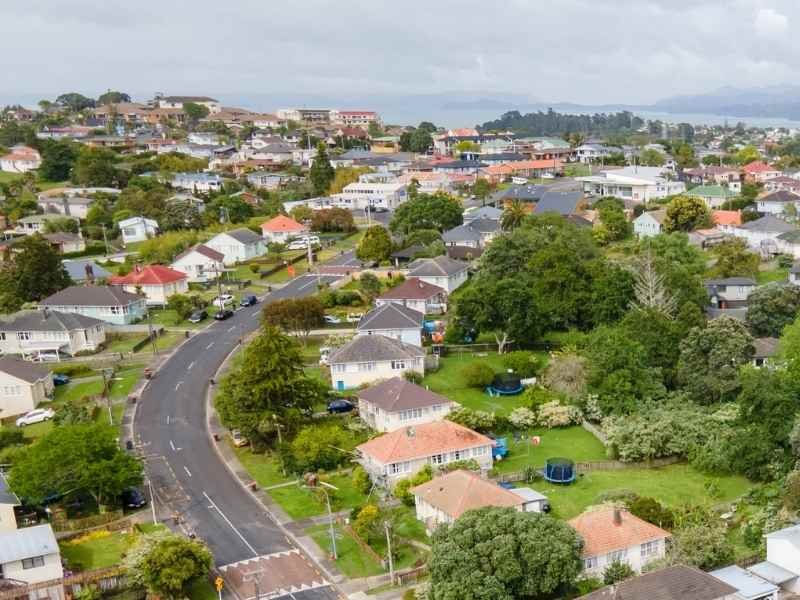
Avondale
Avondale is a well-connected suburb with rail access and increasing residential development activity.
Why investors consider Avondale:
Train station and motorway connectivity
Growing supply of medium-density housing
Appeal to first-home buyers and renters
Proximity to both central and west Auckland
Typically suits: investors focused on well-located urban areas.

West Auckland:
West Auckland continues to attract interest due to infrastructure investment, lifestyle appeal, and the delivery of newer housing stock.
Hobsonville
Hobsonville is a planned residential area known for its coastal setting and transport links.
Why investors consider Hobsonville:
Ferry services and motorway access
Lifestyle amenities and waterfront appeal
Strong demand from owner-occupiers and renters
Predominantly modern housing stock
Typically suits: investors seeking established demand and liveability.
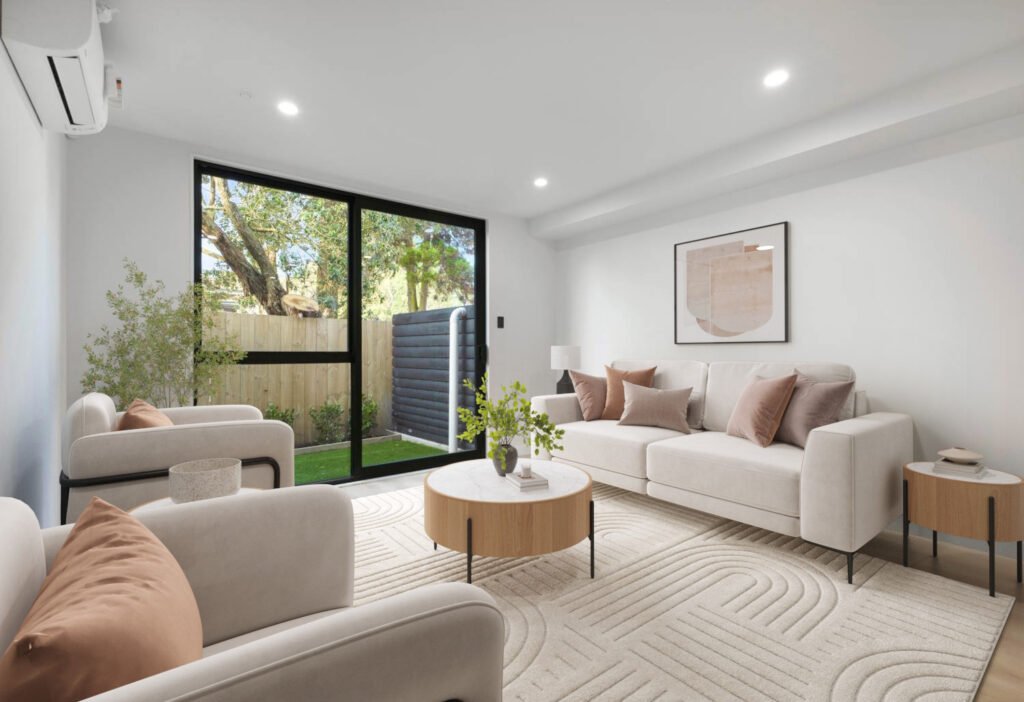
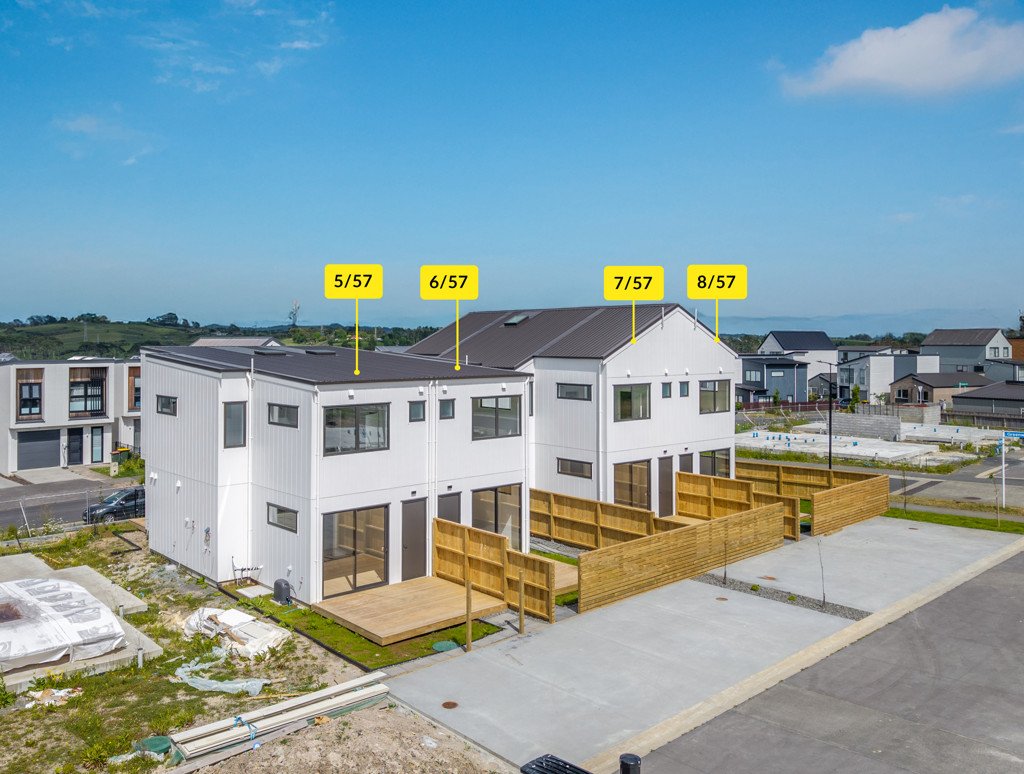
Westgate
Westgate forms part of Auckland’s north-west growth corridor.
Why investors consider Westgate:
Major retail and employment development
Transport upgrades improving connectivity
Ongoing residential construction
Population growth across the wider corridor
Typically suits: investors considering growth corridors supported by infrastructure.
Glen Eden
Glen Eden is a long-established suburb with rail access and increasing redevelopment activity.
Why investors consider Glen Eden:
Train services to the CBD
Gradual increase in townhouse developments
Relative affordability compared to some west Auckland suburbs
Stable rental demand
Typically suits: investors seeking value in established areas.

South Auckland:
South Auckland is often considered for relative affordability, transport access, and large-scale residential development.
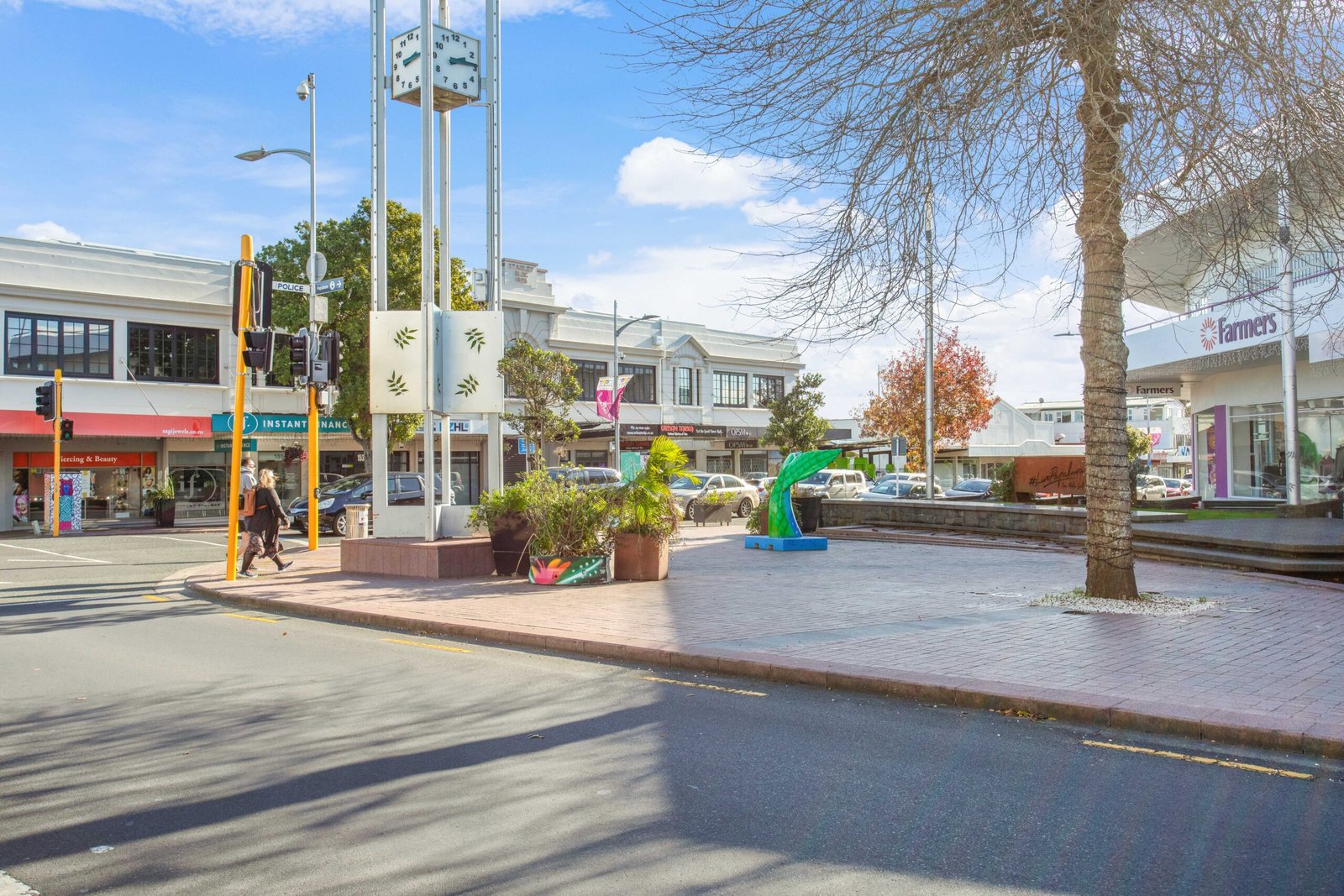
Papakura
Papakura remains a key residential centre in the south.
Why investors consider Papakura:
Rail and motorway connectivity
Lower price points compared to central Auckland
Ongoing residential development
Consistent tenant demand
Typically suits: investors balancing affordability with connectivity.
Mangere & Mangere East
Mangere continues to undergo long-term neighbourhood transformation.
Why investors consider Mangere:
Proximity to major employment hubs and the airport
Ongoing redevelopment initiatives
Strong rental demand
Increasing supply of new and modern housing
Typically suits: investors focused on regeneration-led areas.
Drury
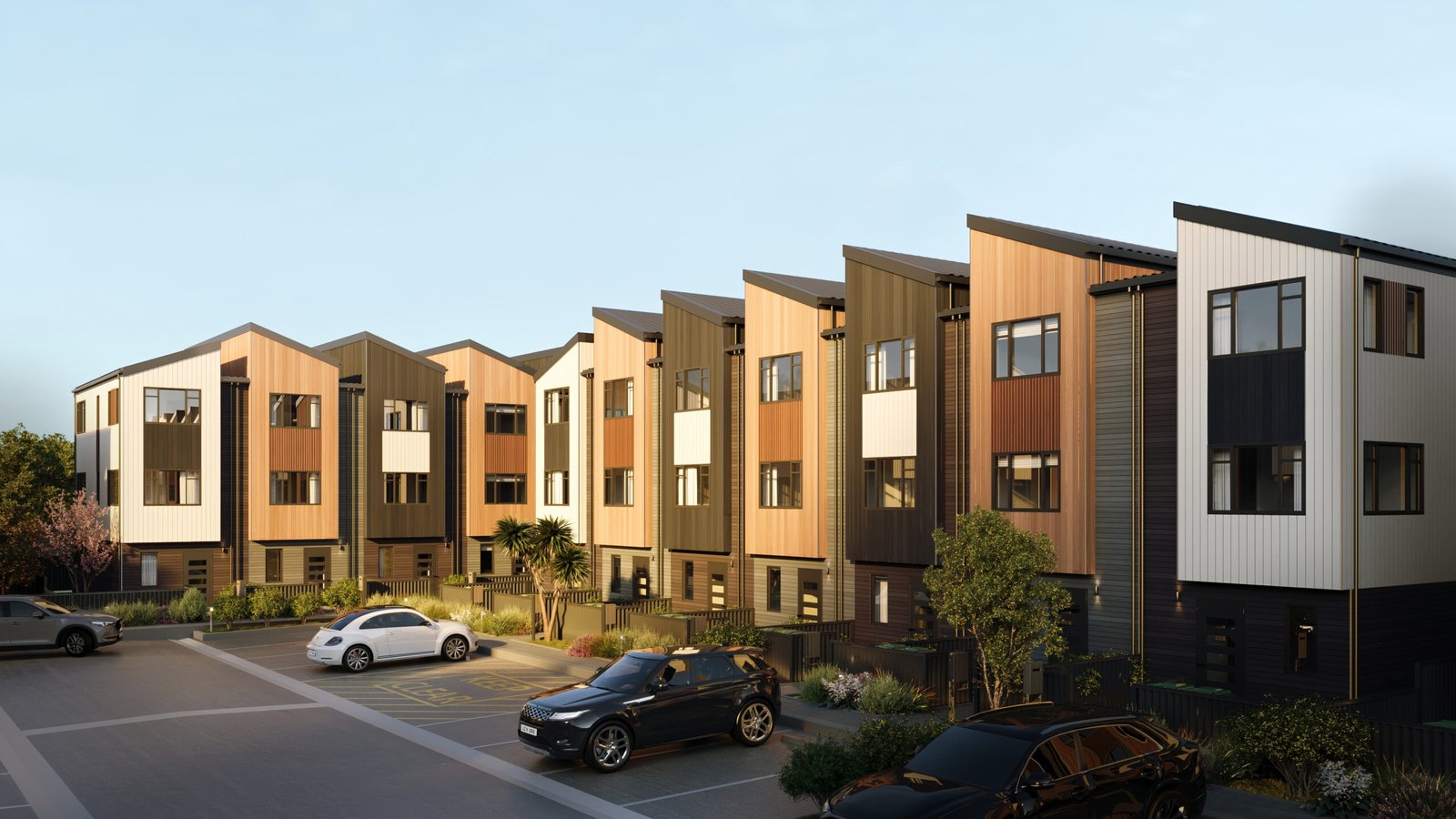
Drury is identified as a major future growth area in the wider Auckland region.
Why investors consider Drury:
Long-term structure planning and future infrastructure
Planned residential and commercial development
Interest from developers delivering new build housing
Positioned to support Auckland’s southward growth
Typically suits: investors with longer-term horizons.
Greater Auckland & Southern Growth Belt:
Areas beyond Auckland’s boundary are increasingly considered due to affordability and commuter demand, though they operate differently from metropolitan suburbs.
Pokeno
Pokeno has experienced significant population growth in recent years.
Why investors consider Pokeno:
More affordable new build options
Demand from Auckland commuters
Large-scale residential developments
Family-oriented housing
Infrastructure capacity and delivery timelines should be carefully considered.

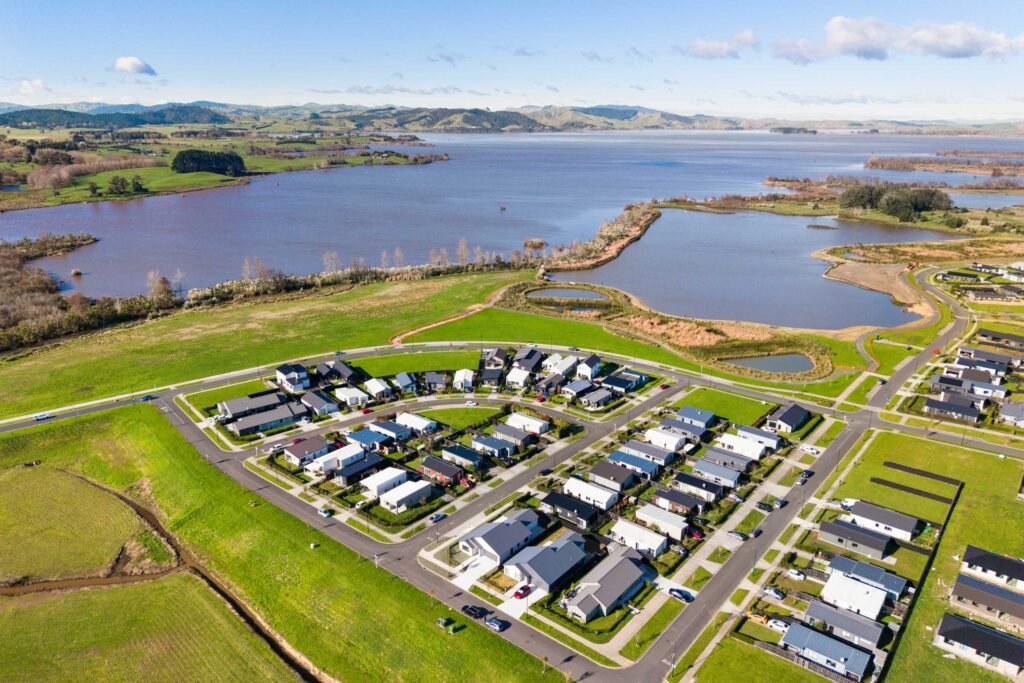
Te Kauwhata
Te Kauwhata is emerging as a growing residential township.
Why investors consider Te Kauwhata:
Expanding residential developments
Motorway access north and south
Increasing local amenities
Appeal to families and renters
Looking Ahead: Investing with Confidence in 2026
In 2026, new build investment decisions are best informed by location fundamentals rather than short-term market movements. Suburbs supported by infrastructure planning, housing demand, and liveability tend to provide more consistent long-term outcomes.
A T Realty Projects works alongside developers and buyers to help identify new build opportunities aligned with location fundamentals and long-term demand across Auckland and the wider growth region.
Considering a new build investment?
Auckland residential projects can deliver strong, stable returns – but success comes from selection, structure, and long-term thinking, not rushing the decision.
At A T Realty Projects, we work closely with developers, buyers, and investors to ensure projects are:
- Market-led, not volume driven
- Positioned for long-term demand
- Aligned with real buyer and tenant needs
If you’re considering an Auckland project investment and want guidance grounded in local market knowledge, our team is here to help you evaluate opportunities with confidence

Frequently Asked Questions About Auckland New Build Investment
The best area depends on your investment goals. Central Auckland typically suits investors focused on long-term capital growth, West Auckland offers a balance of growth and lifestyle appeal, South Auckland provides affordability and yield, while growth belt areas suit investors with longer time horizons.
Because each area performs differently depending on budget, risk tolerance, and timeframe, it’s wise to seek guidance tailored to your specific investment strategy.
Y
es. South Auckland offers lower entry pricing, strong rental demand, and ongoing residential development, making it attractive to both investors and owner-occupiers.
As with any investment, outcomes can vary by suburb and project, so speaking with a new build specialist can help ensure the opportunity aligns with your goals.
West Auckland benefits from infrastructure investment, population growth, and consistent demand for modern housing, particularly in well-connected suburbs.
Getting advice from a local projects expert can help identify which locations and developments are best positioned for long-term demand.
Yes. Areas such as Pokeno and Te Kauwhata attract Auckland commuters seeking affordability and modern housing, offering long-term growth potential.
These markets operate differently from Auckland suburbs, so professional advice can help investors understand timelines, risks, and suitability.
Both matter. Location plays a critical role, but property type, design, and pricing should be considered together. Tailored advice can help balance these factors.