Auckland Project Investor Guide:
Risks, Returns & What Developers Look For
Auckland remains New Zealand’s most active residential development market – and for investors, project homes and multi-unit developments continue to offer strong long-term potential when approached with the right strategy.
Whether you’re purchasing a single new-build home, buying off-plan, or exploring a multi-dwelling opportunity, understanding returns, risks, and how developers assess sites is critical. This guide breaks it down clearly, with a focus on real-world decision-making in the Auckland market.
Why Auckland Continues to Attract Project Investors
Auckland sits at the centre of population growth, infrastructure investment, and housing demand. These fundamentals are why developers and long-term investors continue to prioritise the region.
Key drivers include:
-
Consistent population growth and migration
-
Ongoing transport and infrastructure upgrades
-
Limited land supply in established suburbs
-
Strong rental demand for modern, low-maintenance homes
For investors, residential projects offer scalability, efficiency, and future-proofed housing – when the fundamentals stack up.
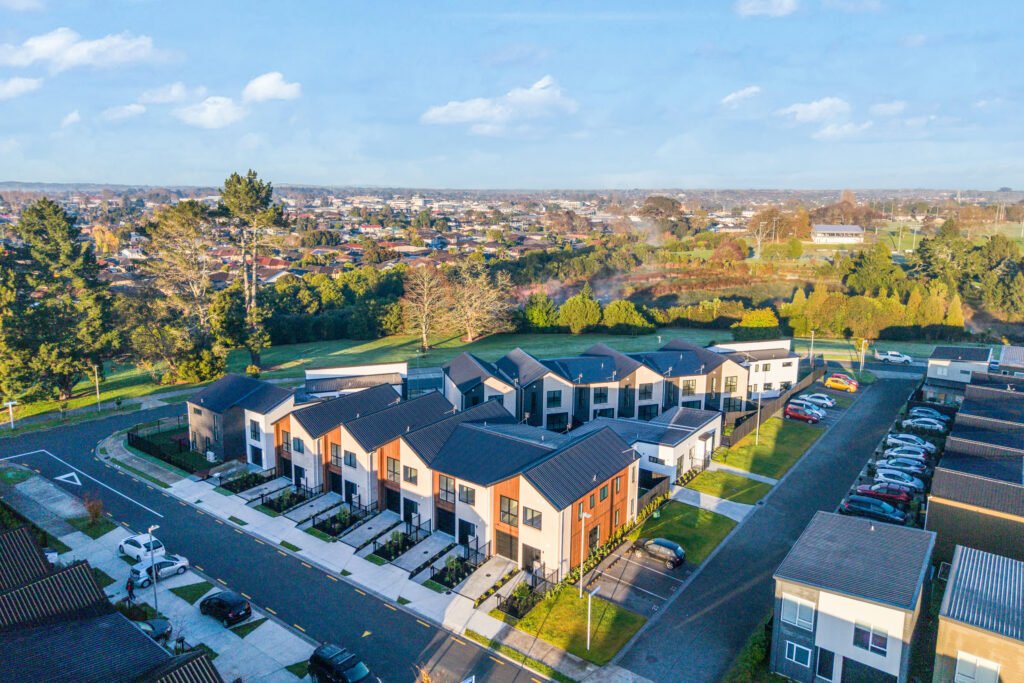
Typical Returns from Auckland Residential Projects:
Returns vary by suburb, build type, and timing, but Auckland project investments are generally assessed across three main areas:
Capital Growth
New homes in growth corridors and regeneration zones often outperform older housing stock over the medium to long term, particularly when:
The area benefits from zoning uplift or intensification
Infrastructure or transport upgrades are underway
The product suits owner-occupiers as well as tenants

Rental Yield
Modern new-build homes tend to attract:
Higher-quality tenants
Lower vacancy rates
Reduced maintenance costs
This can help offset holding costs while capital growth compounds over time.

Tax & Compliance Advantages
New builds may offer advantages around:
Lower immediate maintenance expenses
Improved energy efficiency and compliance
Easier long-term planning for landlords

Key Risks Investors Need to Understand:
Market Timing Risk
Buying at the wrong point in the cycle can affect short-term values. Investors focused on medium-to-long-term horizons are better placed to ride market fluctuations.
Build & Completion Risk
Off-plan purchases require confidence in:
Developer track record
Build quality and specifications
Delivery timeframes
Delays can impact financing, rental income, and cash flow.
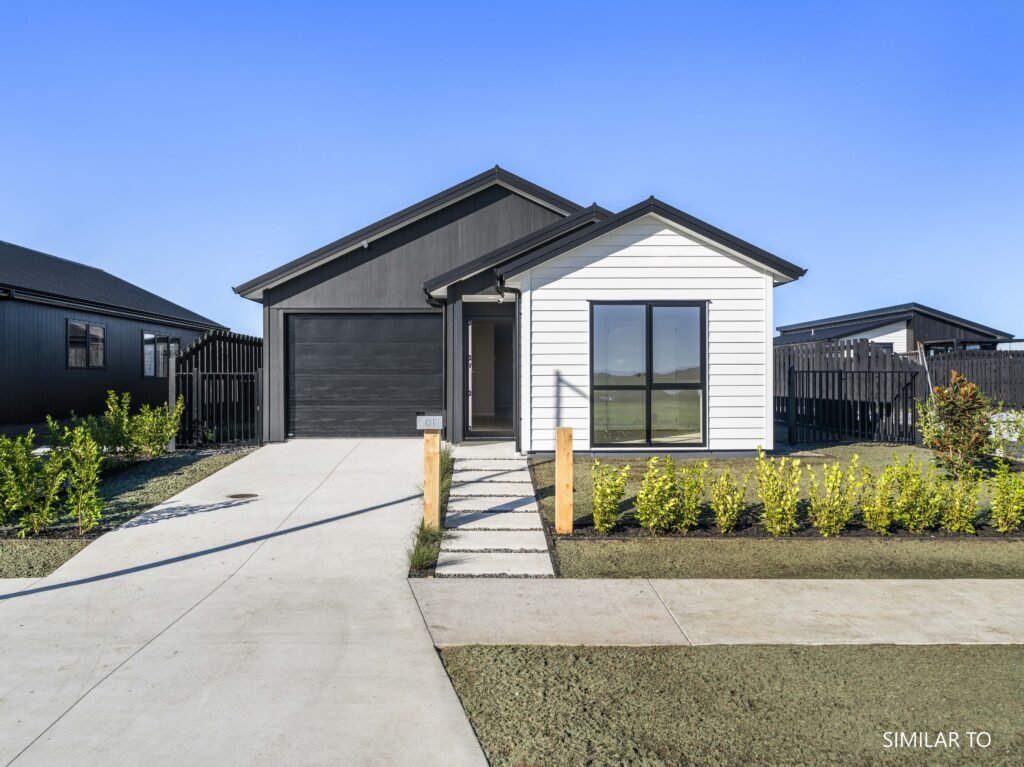

Location Risk
Not all new developments perform equally. Risks increase when:
Projects are poorly located relative to transport and amenities
Buyer demand is overly investor-driven
Local supply outweighs demand
Regulatory & Financing Changes
Interest rates, lending criteria, and planning rules can change. Smart investors stress-test their numbers and build buffers into their strategy.
What Developers Look For in Strong Auckland Project Sites
Understanding developer criteria gives investors a valuable lens when assessing opportunities.
Location & Demand
Developers prioritise suburbs with:
-
Proven buyer demand
-
Good school zones and transport links
-
Lifestyle amenities within walking distance
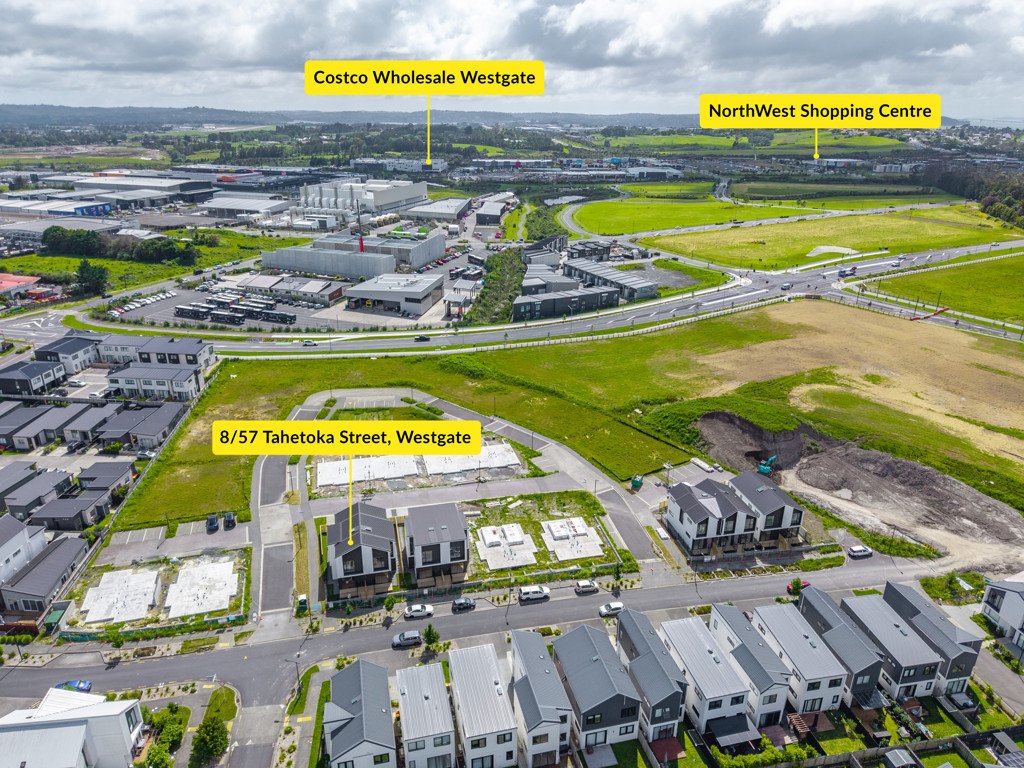
Zoning & Site Efficiency
Zoning that allows for:
-
Terrace housing
-
Duplexes or townhouses
-
Mixed-density outcomes
These can dramatically influence project viability and end value.
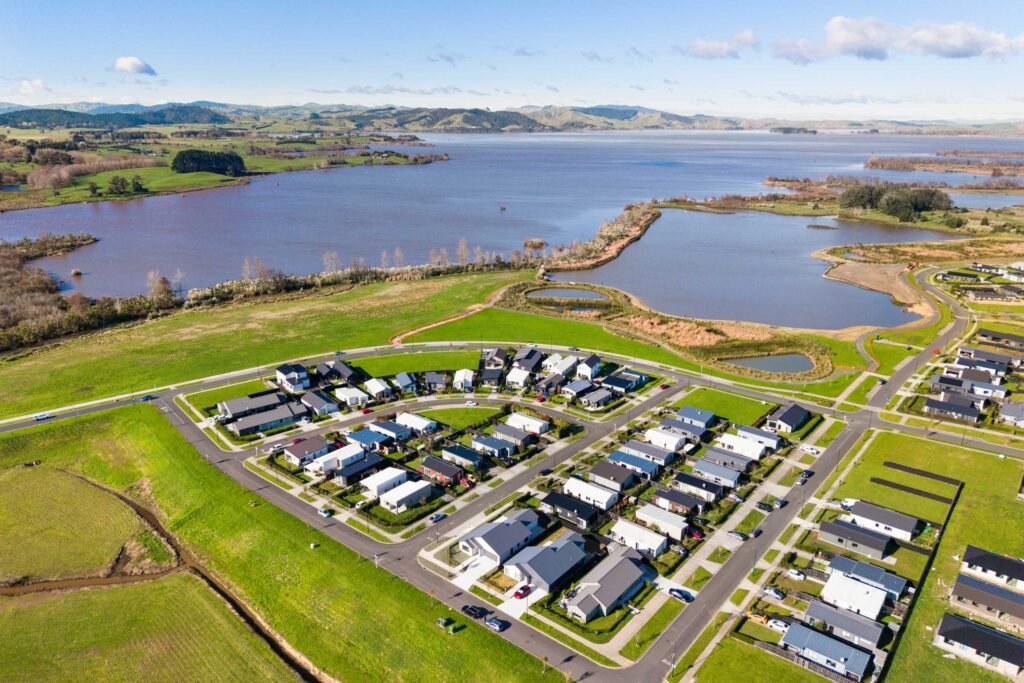
End-Buyer Appeal
The strongest projects are designed with real buyers and tenants in mind, not just maximum density. Layouts, storage, parking, and outdoor space all matter.
Feasibility & Margin
Developers work backwards from:
-
Expected end values
-
Construction and holding costs
-
Market risk allowances
If the numbers don’t stack up conservatively, the project doesn’t proceed.

Off-Plan vs Completed Project Homes - What’s Better?
The right choice depends on your investment timeframe, risk tolerance, and cash-flow strategy.
Off-Plan Purchases
- Often secured at today’s price
- Allow time to prepare finance
- Carry build-completion risk
Completed Homes
- Immediate rental income
- Certainty around quality and finish
- Less exposure to construction delays
How to Assess an Auckland Project as an Investor?
Before committing, investors should ask:
Who is the developer and what is their track record?
Is the location attractive to both tenants and owner-occupiers?
Do the numbers still work if interest rates or rents shift?
What is the long-term appeal of this home in 5–10 years?
Projects that perform best are rarely the cheapest – they are the most liveable, best located, and easiest to hold long term.
Strategy Matters More Than Speed
Auckland residential projects can deliver strong, stable returns – but success comes from selection, structure, and long-term thinking, not rushing the decision.
At A T Realty Projects, we work closely with developers, buyers, and investors to ensure projects are:
- Market-led, not volume driven
- Positioned for long-term demand
- Aligned with real buyer and tenant needs
If you’re considering an Auckland project investment and want guidance grounded in local market knowledge, our team is here to help you evaluate opportunities with confidence

Frequently Asked Questions About Auckland Project Investments:
A residential project investment involves purchasing a new-build or off-plan home within a larger development, such as townhouses, duplexes, or terrace housing. These projects are commonly found across growth suburbs in Auckland and are designed to appeal to both owner-occupiers and tenants.
Auckland new build homes can be strong long-term investments when located in high-demand suburbs with good transport, amenities, and buyer appeal. Investors benefit from modern construction, lower maintenance costs, and strong rental demand, particularly for new builds that meet current living standards.
Returns vary by suburb, timing, and project quality. Investors typically assess:
Capital growth over 5–10 years
Rental yield supported by modern layouts and tenant demand
Lower ongoing costs due to new construction
Well-located Auckland projects often balance steady rental income with long-term value growth.
Off-plan investments carry risks such as construction delays, market shifts before completion, and reliance on developer performance. These risks can be reduced by choosing experienced developers, stress-testing finances, and focusing on long-term fundamentals rather than short-term price movements.
Developers focus on:
Zoning and development potential
Buyer and tenant demand
Transport access and amenities
Feasible build costs and end values
Sites that attract both owner-occupiers and investors are more resilient through market cycles.
Off-plan homes allow investors to secure today’s price and prepare finance over time, while completed homes offer immediate rental income and certainty. The right choice depends on cash flow, risk tolerance, and investment timeframe.
Growth suburbs with strong infrastructure, transport links, and lifestyle amenities tend to perform best. Areas undergoing regeneration or intensification often offer long-term upside when demand fundamentals remain strong.
Modern project homes generally appeal to long-term tenants seeking low-maintenance living, energy efficiency, and modern design. This can result in lower vacancy rates and reduced maintenance costs for landlords.